
 1300 008 838
What Does a Major Crane Inspection Actually Include?
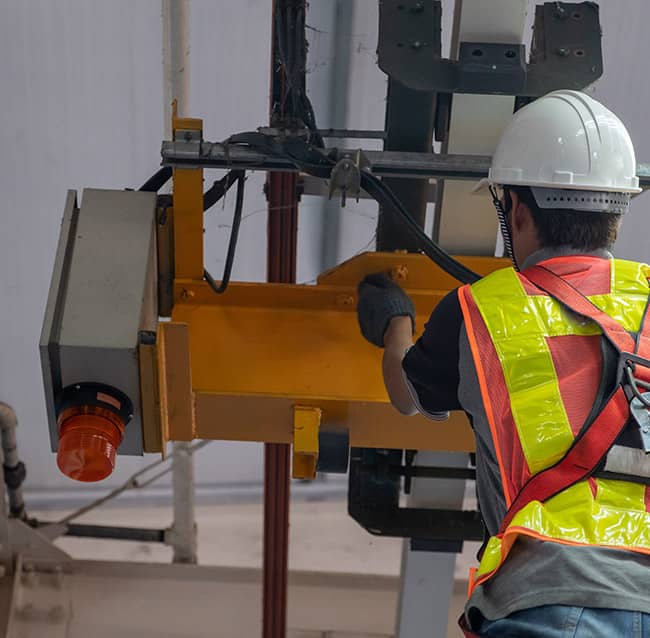
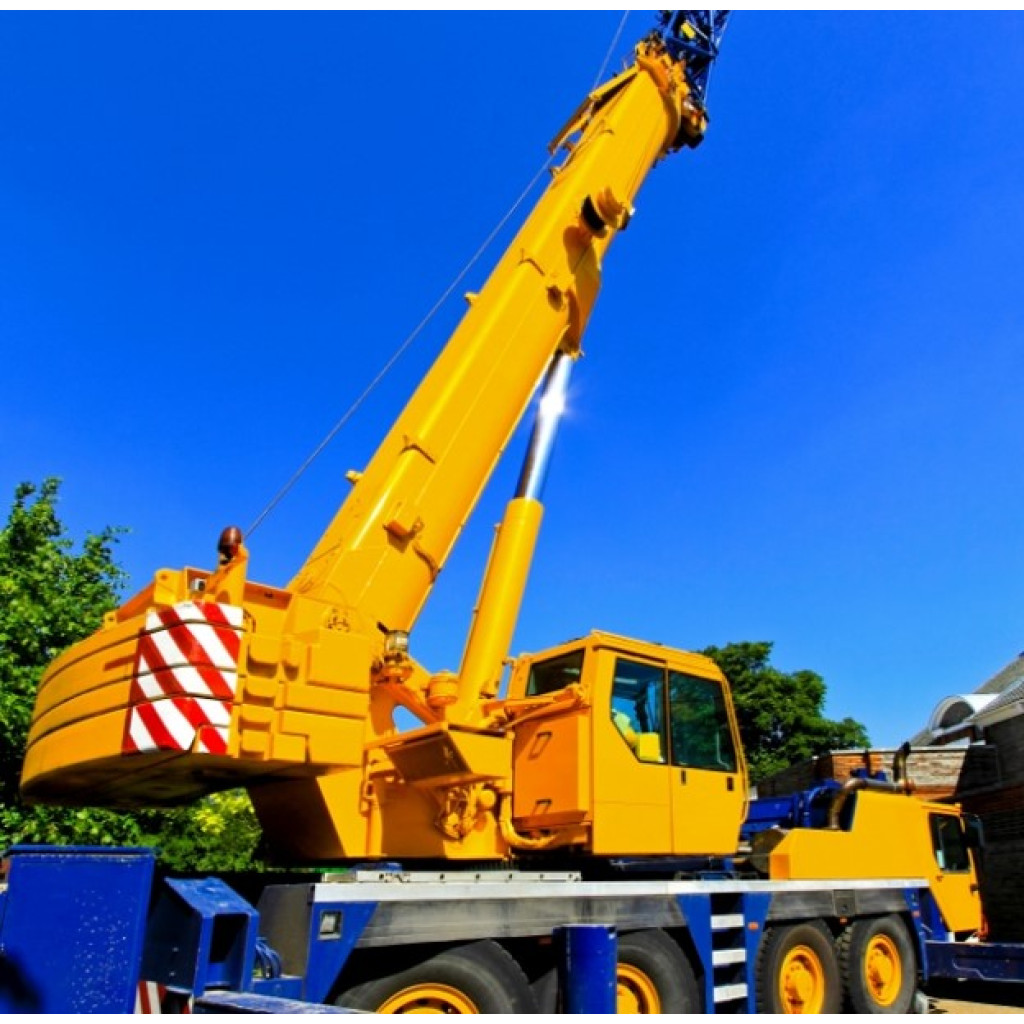
A crane is one of the most powerful and essential pieces of machinery on any construction site, but it is also one of the most heavily regulated. Cranes operate under extreme loads, constant stress, and challenging environments where even the smallest of issues can have serious consequences.
So, what’s the best way to keep them safe and compliant? In order to meet current industry regulations and standards, your equipment must undergo regular inspections, and none are more important than the major crane inspection. This comprehensive assessment is designed to assess whether a crane is still structurally sound and compliant with current safety standards.
If you’re wondering what this inspection actually involves, we’re going to provide a detailed overview right now. Keep reading to learn more.
Understanding the Importance of a Major Crane Inspection
A major crane inspection is a comprehensive, in-depth evaluation of a crane’s structural integrity, mechanical systems, and safety functions. Unlike daily or monthly checks, which tend to focus on basic operational safety, a major inspection is intended to uncover hidden wear, long-term fatigue, and the kind of internal damage that may not be visible to the naked eye.
Of course, this inspection becomes even more important as a crane ages. Over time, constant hoisting, luffing, telescoping, slewing, and environmental factors naturally degrade components. That’s why regulations and manufacturers typically require a full 10-year crane inspection to ensure that the machine is still safe to operate at full capacity.
Why They Are Necessary
Mandated under Australian Standards AS 2550 and AS 1418, an inspection serves as a comprehensive evaluation and in-depth inspection of a crane’s structural, mechanical, and electrical and hydraulic systems. Its purpose is to evaluate ongoing safety, compliance, operational reliability, and anything that may compromise performance.
Inspectors must have the correct training and accreditation, and this knowledge allows them to identify wear, fatigue, or defects that may have developed over time and ensure all components continue to meet required performance standards.
By identifying problems in key components such as the boom, hydraulics, wire ropes, and safety systems, a major crane inspection helps to prevent accidents, minimise costly repairs, and ensure strict compliance with safety regulations.
Structural Integrity Checks
One of the most important parts of any crane inspection is the structural assessment. Here, inspectors carefully examine the crane’s main framework, including the boom, winch, slew,and chassis.
They look for signs of:
- Metal fatigue
- Cracks in welds
- Corrosion or rust
- Deformation from repeated loading
During a major crane inspection, these areas are often tested using advanced techniques such as eddy current, ultrasonic testing or magnetic particle inspection to detect flaws that cannot be seen with the naked eye.
This stage of a 10-year major inspection is critically important as this is where long-term damage is most likely to appear.
Wire Ropes, Hooks, and Lifting Gear
Another key area of focus during a crane inspection is the lifting system itself. This includes wire ropes, hooks, chains, pulleys, and sheaves. All of which are under constant tension during operation. Inspectors will check for:
- Broken or fraying wire strands
- Stretching or deformation
- Uneven wear patterns
- Hook throat opening changes
- Safety latch functionality
Wire ropes are particularly important as they are a primary load-bearing component. During a major inspection, these parts are often subjected to even more frequent wear due to mobility and varied job site conditions.
If there is any sign of deterioration, our inspectors can ask for immediate replacement recommendations.

Hydraulic Systems and Pressure Integrity
Hydraulics play an important role in both crane movement and lifting power, making them a key focus during a major crane inspection. The entire hydraulic system is carefully inspected to ensure it is operating safely and efficiently.
This includes checking hydraulic cylinders, hoses and fittings, valves and seals, as well as fluid levels and signs of contamination. Each component is inspected for wear, damage, or performance issues that could affect the crane’s operation.
Leaks are one of the most common problems found in older cranes. Even minor leaks can reduce lifting efficiency, affect pressure control, and lead to sudden system failure if left unaddressed.
During a 10 year crane inspection, hydraulic systems are often tested under load to confirm that they can maintain proper pressure, stability, and responsiveness under full working conditions.
Mechanical Systems and Moving Parts
Cranes rely on a range of mechanical systems that must work together for safe and efficient operation. During a crane inspection, key components such as brakes, gearboxes, winches, and slew systems are thoroughly tested to assess their condition and performance.
Inspectors check for any signs of wear or malfunction, including unusual noises or vibrations, delayed or inconsistent movement, excessive wear in gears or bearings, and the effectiveness of braking systems. This includes their ability to hold loads securely.
In a crane major inspection, these mechanical systems are especially important, as cranes are often exposed to stresses from transport, setup, and frequent repositioning. Any irregularities in performance are carefully documented and may require immediate repair or replacement to ensure the crane remains safe to operate.
Electrical and Control Systems
Modern cranes rely heavily on electrical systems for safe and precise operation. A major crane inspection includes a full evaluation of wiring, sensors, control panels, and safety circuits.
Key areas include:
- Load moment indicators
- Emergency stop systems
- Operator controls
- Limit switches
- Warning alarms and indicators
These systems are essential for preventing overload and operator error. During a 10 year major inspection, electrical components are often updated or recalibrated to meet current safety standards, especially if older technology is still in use.
Safety Devices and Fail-Safes
Safety systems are one of the most critical aspects of any crane inspection, as they are designed to prevent accidents before they occur. These features act as safeguards against overloading, operator error, and unsafe operating conditions.
During the inspection, key safety components are tested, including overload protection systems, automatic shutdown mechanisms, anti-two-block systems, audible and visual warning devices, and limit switches that control movement.
All of these systems must meet strict compliance standards and function reliably under all conditions. If any safety device fails or shows inconsistent performance, the crane may be taken out of service until the issue is repaired and the system is confirmed to be working correctly.
Documentation and Compliance Checks
A major crane inspection goes beyond the physical condition of the equipment. It also includes a thorough review of documentation and compliance records. This ensures the crane has been properly maintained and meets all relevant regulatory requirements.
Inspectors typically review maintenance logs, previous inspection reports, repair histories, manufacturer guidelines, and regulatory certifications. These records provide important insight into how the crane has been operated and maintained over time.
During a 10 year crane inspection, documentation becomes even more important. It helps verify whether the crane has received consistent servicing and care throughout its lifespan. If records are incomplete or maintenance has been inconsistent, inspectors may require additional testing or impose operational restrictions before approving the crane for continued use.
What Happens After the Inspection?
Once the crane inspection is complete, our inspector provides a detailed report outlining the overall condition of the equipment. The findings are typically grouped into clear categories, such as whether the crane is safe for continued use, requires repairs, or must be taken out of service immediately.
During a 10 year major inspection, it’s quite common for multiple components to need replacing due to wear and fatigue. In some cases, the extent and cost of these repairs can be significant enough that operators choose to retire the crane rather than investing in repairs and trying to bring it back up to standard.
The Importance of Regular Major Inspections
A major crane inspection is not just a regulatory requirement, it is a legal safety process that protects operators, workers, and equipment on site. Without it, hidden damage could go unnoticed until a serious failure occurs.
The 10 year crane inspection serves as a long-term safeguard, ensuring that aging equipment is still capable of performing safely under demanding conditions.
The Types of Cranes That We Inspect
Crane Engineering Services is the trusted provider of major crane certification services Australia wide. We inspect a wide range of cranes and machinery, including:
- All Terrain Crane
- Crane Borer
- Crawler Crane
- Mobile Elevating Work Platform
- Mobile Hydraulic Truck Crane
- Pick and Carry Crane
- Rough Terrain Crane
- Telescopic Handler
- Tower Crane
- Vehicle Loading Crane
Our in-house engineers are fully qualified, armed with crane manufacturer design experience, and competency accredited by Engineers Australia. To book an inspection, give us a call today on 1300 008 838, and we’ll be happy to arrange a time for our team to assess your crane equipment.
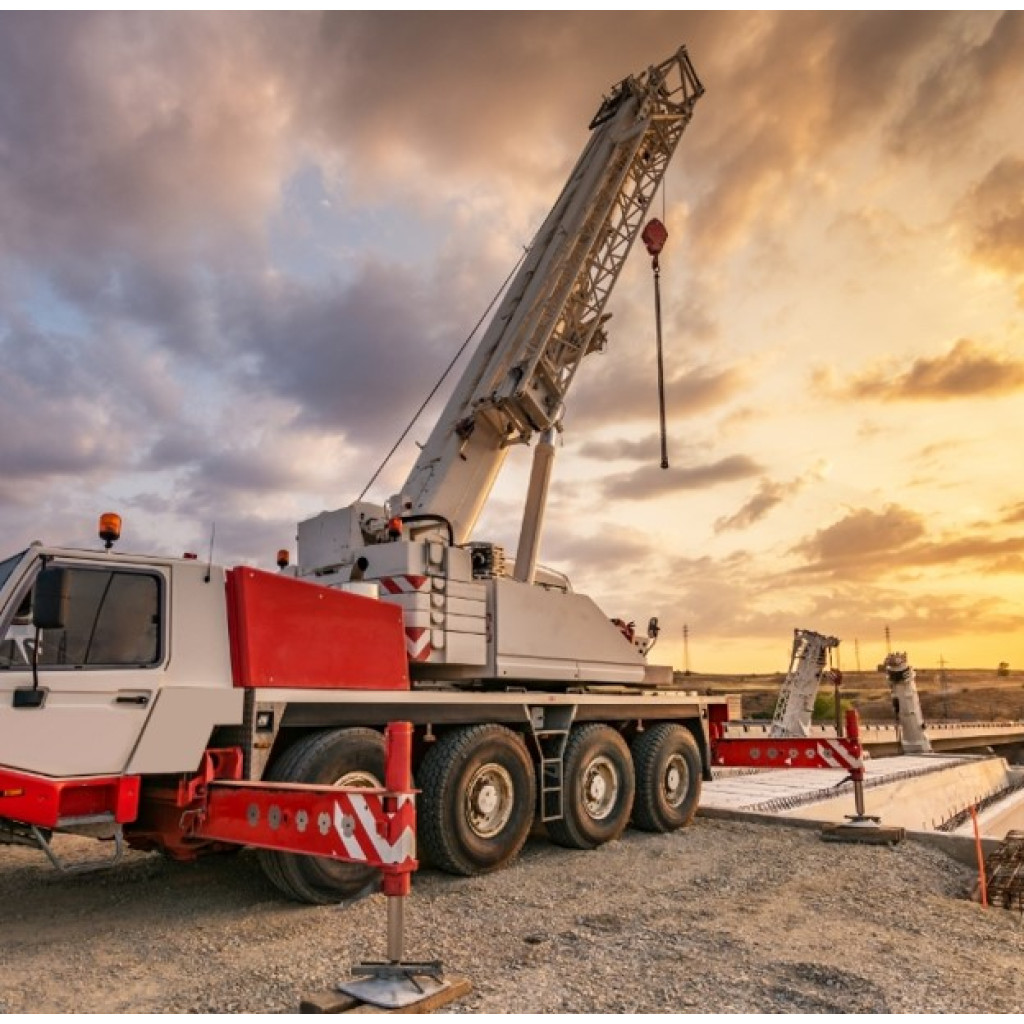
Why the 10-Year Major Crane Inspection Is Essential for Safe Operations
A 10 year major inspection is the most comprehensive and important evaluation in a crane’s working life. It goes far beyond surface-level checks, examining every structural, mechanical, hydraulic, and electrical system in detail.
In an industry where safety is the number one priority, a proper crane inspection is not just good practice, it’s a legal requirement. At Crane Engineering Services, with our advanced crane expertise and experience, we can perform major inspection services, engineering assessments and certification issuance that meet current Australian Standards.
To book in a 10 year major inspection, give us a call on 1300 008 838, and to arrange a time for our team to assess your crane equipment.
Recent Blogs
-
 What Does a Mobile Crane 10-Year Inspection Actually Include?
A mobile crane is a complex piece of machinery, and regular inspections are essential to keeping it safe, reliable and compliant. While routine inspections and servicing help to identify everyday wear and faults, a 10 year crane inspection is a much more detailed assessment. It is also officially a requirement in the Australian Standard for […]
Read More -
 Why a Telehandler Certification Is Required on Most Construction Sites
If you’re operating a telehandler on an Australian construction site, certification isn’t simply a recommendation, it’s often a requirement. Whether you’re working on a commercial development, civil infrastructure project, or mining site, contractors and principal builders expect every piece of lifting equipment to meet strict safety and compliance standards before it enters the workplace. Many […]
Read More -
 Step-by-Step Guide to the 10 Year Inspection for Vehicle Loading Cranes
Vehicle loading cranes (VLCs) are important pieces of equipment across the construction, logistics, mining and transport industries. Designed to lift and move heavy loads efficiently, these cranes handle loading and unloading tasks in demanding conditions and are subjected to constant stress, environmental exposure, and wear over time. To ensure ongoing safety and compliance, a 10 […]
Read More -
 What Is a Mobile Crane Major Inspection and Why Is It Required?
In industries where lifting heavy loads is part of daily operations, safety and compliance must be adhered to. Mobile cranes are among the most important pieces of machinery on construction sites, infrastructure projects, and industrial operations. Over time, however, constant use, exposure to harsh conditions, and mechanical stress can affect their structural integrity. This is […]
Read More