
 1300 008 838
Why a Telehandler Certification Is Required on Most Construction Sites
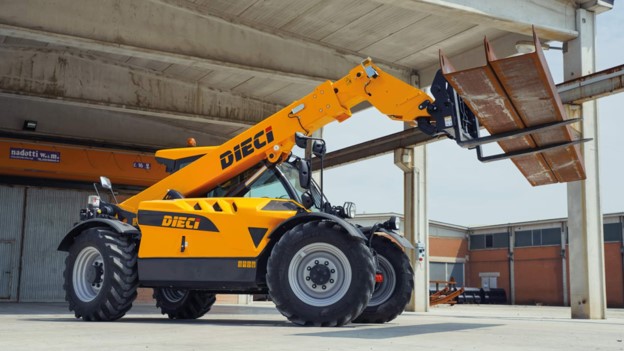
If you’re operating a telehandler on an Australian construction site, certification isn’t simply a recommendation, it’s often a requirement. Whether you’re working on a commercial development, civil infrastructure project, or mining site, contractors and principal builders expect every piece of lifting equipment to meet strict safety and compliance standards before it enters the workplace.
Many people assume that having an experienced operator is enough, but construction sites require much more than practical skill. A telehandler must be inspected, maintained, and certified to demonstrate that it can safely perform lifting operations.
Without the appropriate documentation, businesses risk project delays, failed site audits, insurance complications, and significant legal and financial penalties if an incident occurs.
Understanding why telehandler certification is required can help equipment owners, operators, and site managers maintain compliance while creating a safer workplace for everyone involved.
Why Telehandler Certification Matters
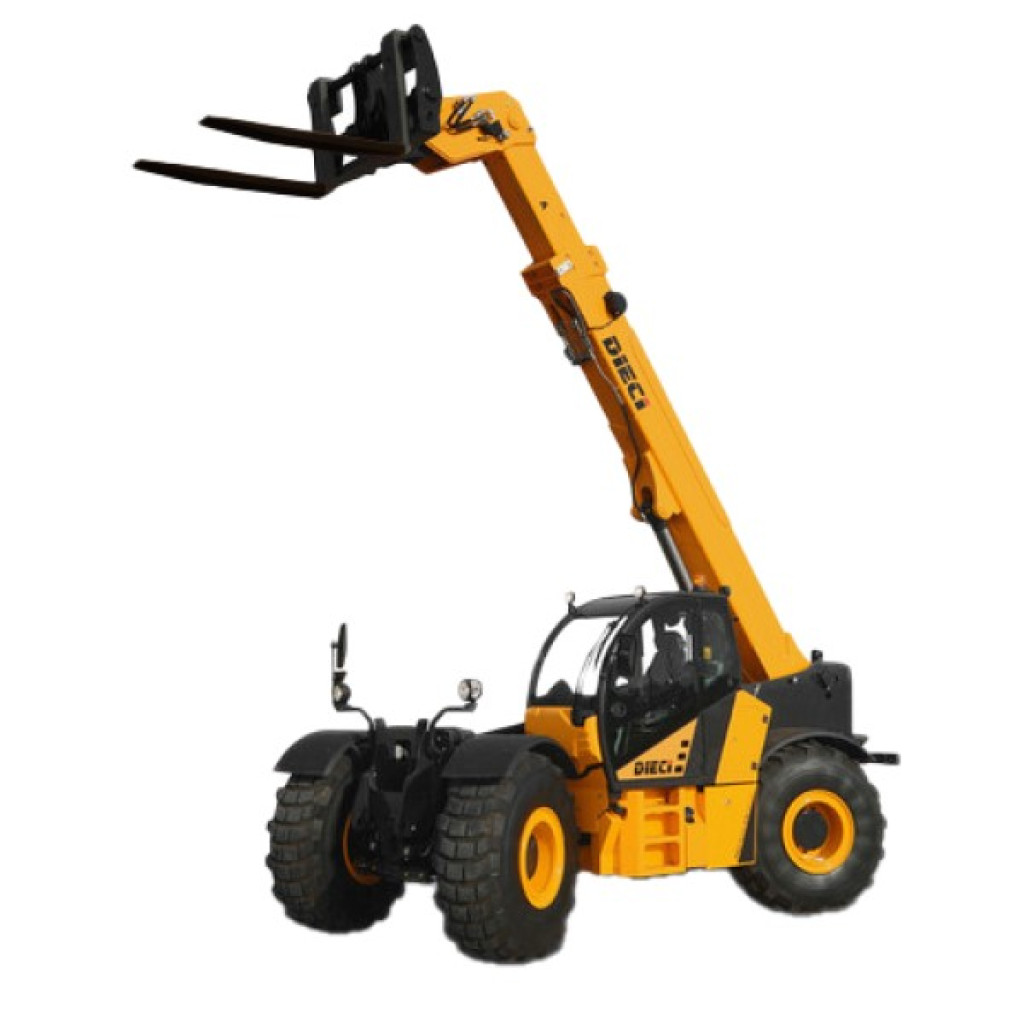
Telehandlers are among the most versatile machines used throughout the construction industry. They can lift heavy building materials, move pallets across difficult terrain, and, when fitted with specialised attachments, perform tasks similar to cranes or elevated work platforms.
However, this versatility also increases the level of risk. Telehandlers regularly handle heavy loads in busy work environments where equipment failure or operator error can have serious consequences.
Certification provides assurance that the machine has been professionally assessed and complies with the relevant Australian Standards for lifting equipment.
For construction companies, certification demonstrates a commitment to workplace safety while helping reduce downtime, protecting insurance coverage, and meeting contractual obligations on major projects.
It also gives site managers confidence that the equipment has been independently assessed before arriving on site.
Why Construction Sites Require Certified Equipment
Construction sites are constantly changing. Ground conditions vary, lifting requirements change throughout the project, and multiple tradespeople often work alongside heavy machinery in confined areas.
Because of these ever-changing conditions, builders have a legal responsibility under Work Health and Safety legislation to minimise risks wherever possible. Requiring certified telehandlers is one way they achieve this.
Certification provides documented evidence that the equipment has been inspected, tested, and is suitable for lifting operations. It also demonstrates that any lifting attachments have been properly assessed and that the machine is operating within its approved load limits.
Without this level of assurance, site managers cannot confidently verify that equipment is safe to use. This is why uncertified machinery is often refused entry onto larger construction projects.
Australian Standards That Apply
Telehandler certification is supported by several Australian Standards that establish how these machines should be designed, maintained, and operated. AS 1418.19 specifies the design requirements for telescopic handlers, including stability, structural integrity, safety systems, and load capacities.
AS 2550.19 focuses on the safe use of telehandlers by outlining inspection requirements, maintenance procedures, operator responsibilities, and safe operating practices.
These standards provide the framework for ensuring telehandlers remain safe throughout their service life. Compliance isn’t just limited to manufacturers; it also extends to owners, operators, and businesses responsible for maintaining the equipment.
The Importance of a Professional Telehandler Inspection
A professional telehandler inspection is one of the most important steps in maintaining compliance and ensuring equipment remains safe to operate.
Unlike routine servicing, which focuses on replacing worn components and keeping the machine operational, a telehandler inspection examines the structural and safety-critical aspects of the equipment.
Engineers assess the condition of the boom, lifting components, hydraulic systems, steering, braking, tyres, chassis, and safety devices to identify wear, fatigue, corrosion, or mechanical defects before they become serious problems.
Regular inspections also verify that safety features such as warning alarms, emergency stop systems, load charts, and operator controls continue to function correctly.
Many construction companies require documented evidence of a recent telehandler inspection before machinery is approved for use on site, making regular inspections an essential part of maintaining compliance.
When Telehandler Certification Is Required
Modern telehandlers are frequently fitted with lifting attachments such as fork tines, crane jibs, hooks, or winches that allow them to perform suspended lifting operations. Once these attachments are installed, additional compliance requirements may apply depending on the work being undertaken.
This is where certification becomes particularly important. Certification confirms that lifting equipment has been assessed to ensure it is capable of safely performing lifting operations under Australian Standards.
The certification process typically involves engineering assessments, structural inspections, load verification, and detailed documentation that demonstrates compliance.
For businesses operating telehandlers in lifting applications, maintaining current certification helps satisfy site requirements while reducing the risk of equipment failure during critical lifts.
Why Ongoing Inspection Is Essential
Certification should never be viewed as a one-off process. Equipment is subjected to continual stress throughout its working life, making ongoing inspection an essential part of any maintenance program.
A professional major inspection focuses specifically on lifting components that experience the highest loads during operation. Engineers inspect fork tines, hooks, lifting points, hydraulic cylinders, boom sections, pins, structural welds, wire ropes where applicable, and safety devices to ensure they remain fit for service.
These inspections allow potential issues such as fatigue cracking, excessive wear, corrosion, or distortion to be identified before they develop into costly failures or safety hazards.
Regular inspection programs not only improve workplace safety but also help extend equipment life, reduce unexpected breakdowns, and minimise expensive project delays.
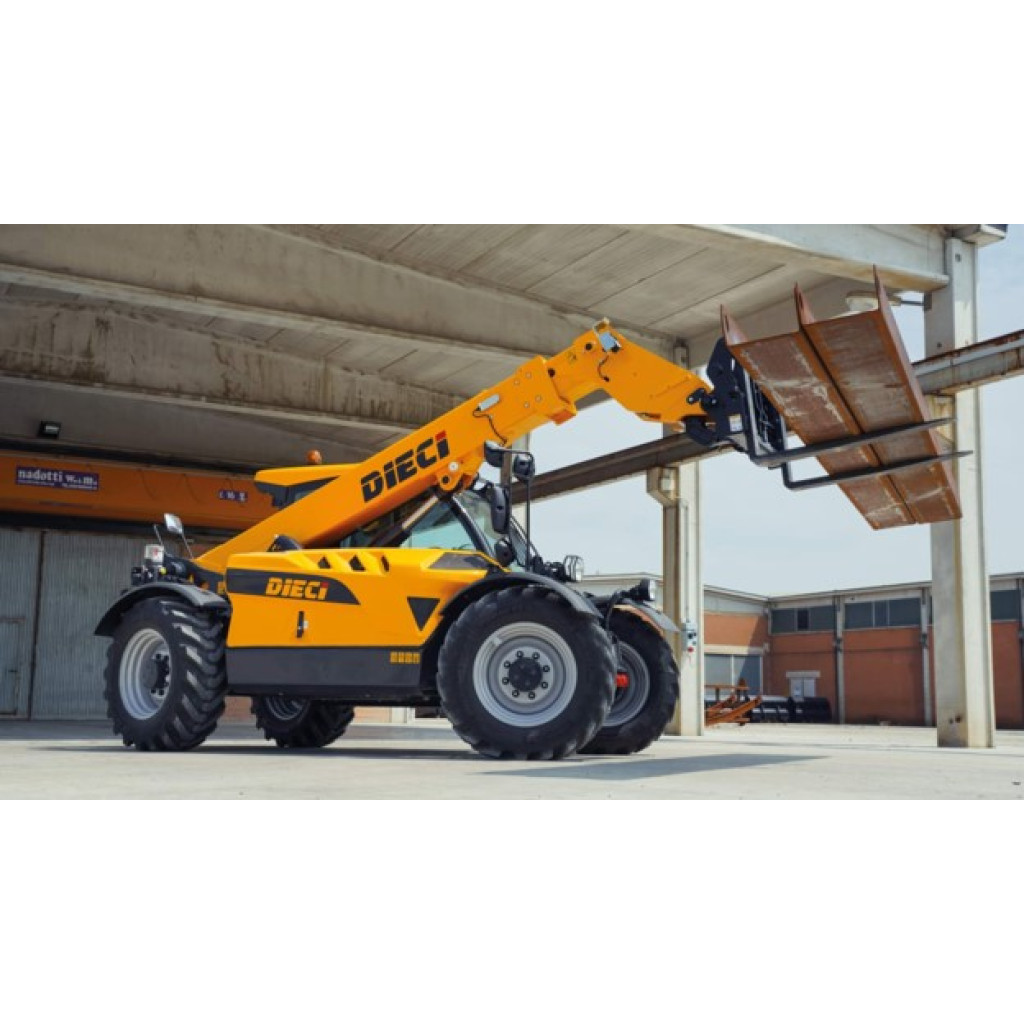
Even the safest machine relies on a competent operator. Depending on the telehandler’s configuration and the work being undertaken, operators may require a High Risk Work Licence as well as site-specific verification of competency.
Many principal contractors also require additional inductions before operators are permitted to use equipment on their projects.
Operators are responsible for completing daily pre-start inspections, reporting any faults immediately, and ensuring the telehandler is only used within its approved lifting capacity.
They must also understand how different attachments affect load ratings and always refer to the correct load chart before commencing work.
Proper training, combined with certified equipment, forms the foundation of safe telehandler operation.
Maintaining Compliance Throughout the Life of the Machine
Certification is only one part of an effective compliance program. Keeping accurate maintenance records, inspection reports, service history, engineering documentation, and load charts is equally important.
Construction companies are increasingly required to provide evidence of compliance during audits, tender submissions, and site inspections. Having organised documentation readily available helps avoid unnecessary project delays while demonstrating that equipment has been properly maintained.
Routine preventative maintenance also plays a significant role. By identifying wear early, operators can schedule repairs before failures occur, reducing downtime and improving the long-term reliability of their fleet.
How Crane Engineering Services Can Help
At Crane Engineering Services, we understand the importance of maintaining safe, compliant lifting equipment. Our experienced engineers work with construction companies, plant owners, equipment hire businesses, and fleet managers to ensure telehandlers continue to meet Australian safety and engineering requirements.
Our comprehensive inspection and certification services include professional telehandler certification, major inspection, and independent crane certification for lifting equipment used across a wide range of industries.
We also provide engineering assessments, compliance reporting, and practical guidance to help businesses meet their workplace obligations with confidence.
Whether you’re preparing equipment for a major construction project or scheduling routine compliance inspections, our team delivers reliable engineering expertise backed by industry experience.
Why Regular Telehandler Certification is Essential
The dynamic construction and industrial sector we see in modern Australia demand that telehandlers are always operational and safe. Regular telehandler certification is necessary to ensure that your equipment remains compliant with the latest standards and regulations.
Frequent use can cause telehandlers to wear out. This wear and tear makes regular inspections and certification critical, as these certifications uphold safety and contribute to the longevity and reliability of the equipment.
The regulatory framework for telehandlers is stringent and reflects a modern commitment to safety and operational excellence. Staying in compliance through regular certification averts potential legal issues and underlines a company’s commitment to high operational standards.
Our Telehandler Certification Process
Crane Engineering Services streamlines the telehandler certification process to ensure it’s thorough yet efficient. Here’s an overview of the process we follow:
- Initial Assessment: Our team conducts a detailed evaluation of your telehandler and reviews any past inspections or certifications.
- In-Depth Examination: We carry out comprehensive inspections, including load tests, structural assessments and operational checks, to ensure your telehandler’s performance aligns with compliance and safety standards.
- Certification: Once our inspection is complete, we provide certification that confirms your equipment meets all requisite standards.
- Our team’s focus is ensuring that the telehandler certification process is straightforward and transparent. We work diligently to minimise downtime and disruption, delivering peace of mind and ensuring your operations can continue smoothly.
Telehandler certification has become a standard requirement on most Australian construction sites because it provides confidence that lifting equipment is safe, compliant, and suitable for the demanding environments in which it operates.
Combined with an annual inspection, and a major inspection, businesses can reduce risk, improve reliability, and demonstrate their commitment to workplace safety.
Ensure your telehandler is safe, compliant and ready for operations. Contact Crane Engineering Services today on 1300 008 838. Book online to schedule your certification inspection.
Recent Blogs
-
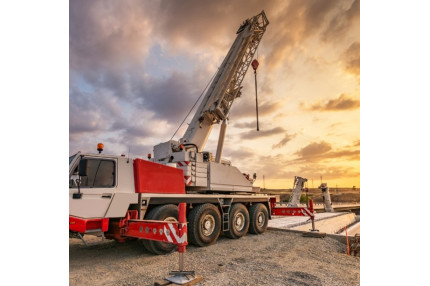 What Does a Mobile Crane 10-Year Inspection Actually Include?
A mobile crane is a complex piece of machinery, and regular inspections are essential to keeping it safe, reliable and compliant. While routine inspections and servicing help to identify everyday wear and faults, a 10 year crane inspection is a much more detailed assessment. It is also officially a requirement in the Australian Standard for […]
Read More -
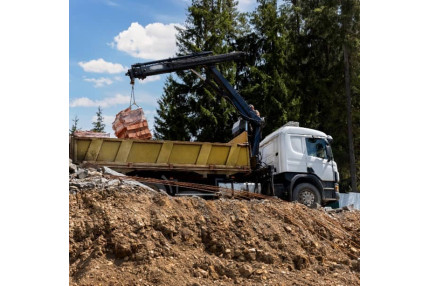 Step-by-Step Guide to the 10 Year Inspection for Vehicle Loading Cranes
Vehicle loading cranes (VLCs) are important pieces of equipment across the construction, logistics, mining and transport industries. Designed to lift and move heavy loads efficiently, these cranes handle loading and unloading tasks in demanding conditions and are subjected to constant stress, environmental exposure, and wear over time. To ensure ongoing safety and compliance, a 10 […]
Read More -
 What Does a Major Crane Inspection Actually Include?
A crane is one of the most powerful and essential pieces of machinery on any construction site, but it is also one of the most heavily regulated. Cranes operate under extreme loads, constant stress, and challenging environments where even the smallest of issues can have serious consequences. So, what’s the best way to keep them […]
Read More -
 What Is a Mobile Crane Major Inspection and Why Is It Required?
In industries where lifting heavy loads is part of daily operations, safety and compliance must be adhered to. Mobile cranes are among the most important pieces of machinery on construction sites, infrastructure projects, and industrial operations. Over time, however, constant use, exposure to harsh conditions, and mechanical stress can affect their structural integrity. This is […]
Read More