
 1300 008 838
What Does a Mobile Crane 10-Year Inspection Actually Include?
A mobile crane is a complex piece of machinery, and regular inspections are essential to keeping it safe, reliable and compliant. While routine inspections and servicing help to identify everyday wear and faults, a 10 year crane inspection is a much more detailed assessment. It is also officially a requirement in the Australian Standard for cranes, hoists and winches.
From crane owners to fleet managers and businesses, it is essential that anyone involved in the operation of this equipment follows the recommended guidelines and arranges a service.
As we’ll go on to cover, a 10-year inspection is not just a more thorough version of a routine check. It involves a systematic examination of key structural, mechanical, hydraulic, electrical and safety components to determine whether the crane remains fit for continued service.
What Is a 10-Year Crane Inspection?
A 10 year major inspection is a comprehensive and detailed inspection carried out by a professional inspector when a mobile crane reaches a defined period of service. The purpose of the inspection is to identify any deterioration, defects, damage and other conditions that may not be evident during a routine inspection.
After a decade of operation, a crane can experience thousands of lifting cycles, exposure to weather, vibration, impact loads and general wear. Even when a crane has been properly maintained, components will deteriorate over time.
A mobile crane 10 year major inspection takes a more detailed look at the crane’s systems and components than a standard periodic inspection.
The exact requirements for the inspection can vary depending on the crane type, manufacturer, applicable standards, operating history and jurisdiction. At Crane Engineering Services, our team assesses the equipment against the relevant requirements and manufacturer recommendations.
Why Is a Mobile Crane Major Inspection Important?
The main purpose of a mobile crane major inspection is safety. Crane failures can have serious consequences. Structural damage, worn lifting components, hydraulic faults or problems with safety systems can affect the crane’s ability to safely lift and control loads.
A major inspection provides an opportunity to identify problems before they develop into failures. It can also give owners a better understanding of the crane’s overall condition and whether additional repairs, testing or maintenance are required.
There is also an important compliance consideration. Proper inspection records can demonstrate that the crane has been examined in accordance with applicable requirements and that identified defects have been addressed.
For business owners and site managers, this is particularly important when equipment is used on construction sites, industrial facilities, infrastructure projects or other environments where lifting operations are closely controlled.
What Does the Inspection Actually Include?
A mobile crane 10 year inspection involves examining a wide range of components. The exact scope will depend on the equipment and applicable requirements, but the following areas are commonly considered.
1. Structural Components
The crane’s structural integrity is one of the most important areas during an inspection. Inspectors may examine the main frame, chassis, carrier, superstructure, boom and other load-bearing structures for signs of:
- Cracking
- Corrosion
- Deformation
- Excessive wear
- Damage from previous incidents
- Loose or damaged connections
- Weld deterioration
Particular attention is given to areas exposed to high stresses or repeated loading.
Where necessary, further examination or non-destructive testing may be recommended to investigate suspected cracks or defects that cannot be reliably assessed through visual inspection alone.
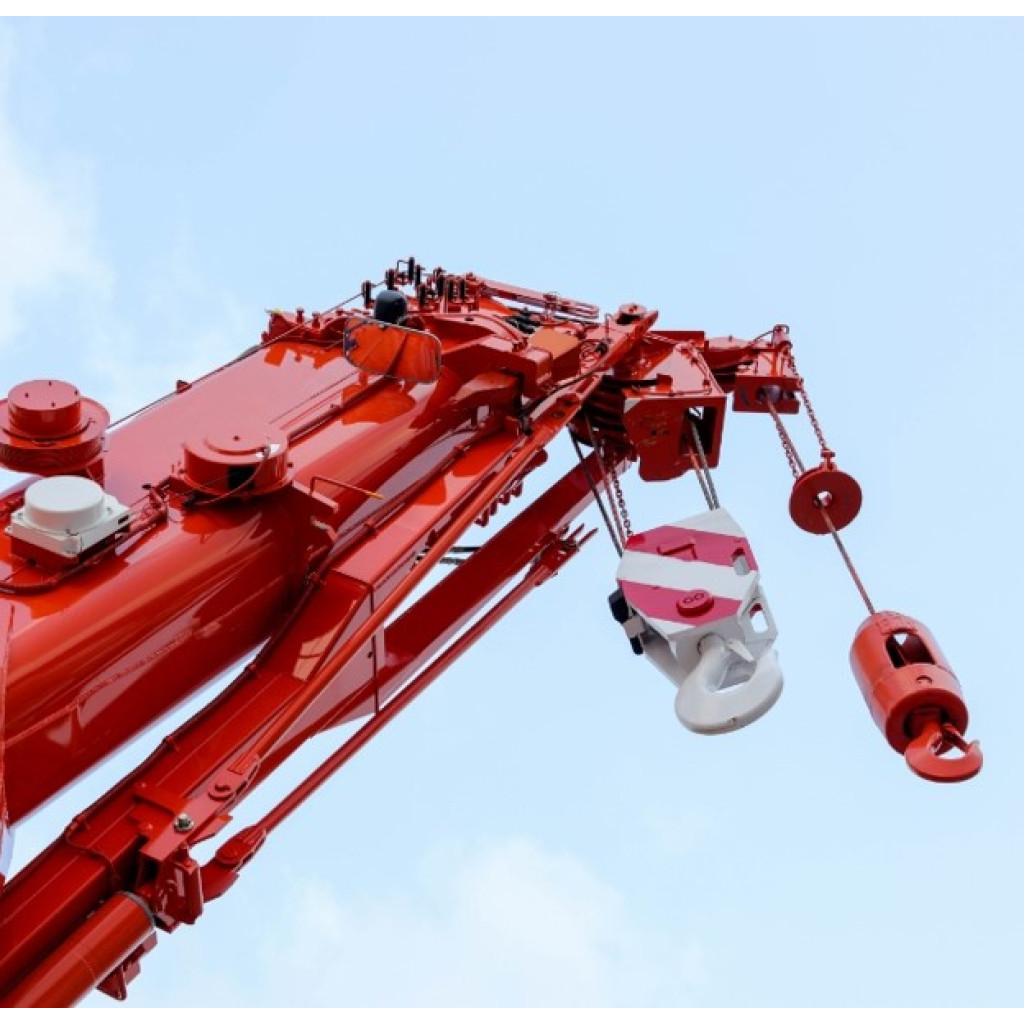
2. Boom and Boom Components
The boom is subjected to substantial loads during crane operation, making it a critical part of the mobile crane major inspection.
The inspection may consider boom sections, pins, sheaves, wear pads, telescopic systems, locking mechanisms and associated structural components.
Inspectors look for damage, excessive clearance, corrosion, distortion and other signs of deterioration.
Where a telescopic boom is fitted, its extension and retraction mechanisms are also assessed to ensure they operate correctly.
3. Wire Rope, Hooks and Lifting Components
Lifting accessories and load-bearing components receive close attention. Wire ropes may be checked for broken wires, corrosion, kinking, crushing, birdcaging, wear and other forms of deterioration. The condition of rope terminations and associated components may also be assessed.
Hooks are examined for deformation, cracking, excessive wear and damage. Safety latches and other hook-related components are checked to ensure they function as intended.
Other lifting components, including sheaves, drums, pins and connecting components, may also be inspected.
These components are critical because they directly contribute to the crane’s ability to support and control a suspended load.
4. Hydraulic Systems
Hydraulic systems perform many of the crane’s essential functions, including boom movement, telescoping, slewing, hoisting and, depending on the crane design, outrigger operation.
During a 10 year crane inspection, hydraulic components may be examined for leaks, damage, deterioration and abnormal operation. This can include:
- Hydraulic cylinders
- Hoses
- Pipes
- Valves
- Pumps
- Motors and connections
Your inspector may also consider whether the hydraulic system maintains the pressures and functions required for safe operation.
5. Slewing System
The slewing system allows the crane’s upper structure to rotate and is another critical area.
The team at Crane Engineering Services may examine the slew ring, slew drive, gears, bolts, lubrication arrangements and related components.
Our inspectors will look for any abnormal wear, damage, looseness, corrosion and other indications that could affect safe operation.
Because the slew system is subjected to significant loads during lifting and rotation, any unusual movement, noise or play may warrant further investigation.
6. Outriggers and Stabilisation Systems
Mobile cranes rely on stabilisation systems to maintain safe operating conditions. Outriggers, stabiliser beams, pads, cylinders, pins and associated hydraulic components may therefore be inspected carefully.
The inspection can identify structural damage, hydraulic leaks, excessive wear and other issues that could affect the crane’s stability.
Correct operation of indicators, interlocks and other stabilisation-related safety systems may also be assessed.
7. Electrical and Control Systems
Modern mobile cranes rely heavily on electrical and electronic systems. A mobile crane 10 year major inspection can include an examination of wiring, switches, controls, sensors, displays and other electrical components.
The inspector may also check systems designed to monitor crane operation and prevent unsafe conditions. Depending on the crane, these can include:
- Load moment indicators
- Limit switches
- Boom angle indicators
- Anti-two-block systems
- Emergency stop functions
- Operator controls
- Warning devices
These systems play an important role in helping operators understand the crane’s operating condition and limitations.
Testing and Functional Checks
A major inspection is not necessarily limited to looking at components. Functional testing may be performed to confirm that key crane systems operate correctly. This can include testing crane movements, controls, safety devices and other operational functions.
Load testing is required and test requirements vary depending on the crane’s capacity, findings and applicable standards.
The purpose of testing is to provide additional evidence that the crane and its safety-critical systems perform as required under appropriate conditions.
Importantly, testing should be carried out by suitably competent personnel using appropriate procedures and equipment.
Reviewing the Crane’s History
One aspect that can be overlooked is the crane’s documentation. An effective 10 year crane inspection should consider the crane’s maintenance and inspection history where records are available.
Relevant information can include previous inspection reports, repair records, service documentation, component replacements, modifications and records of defects. Understanding the crane’s history helps your inspector identify recurring problems and areas that may require further attention.
If a component has previously experienced excessive wear or has been repaired, that history may influence the scope of the current examination.
Having the right documentation also makes it easier to show that the crane has been properly managed throughout its working life and is aligned with the requirements and intent of the relevant Australian Standards, including AS 2550 (Safe use of cranes) and AS 1418 (Cranes, hoists and winches).
What Happens If Defects Are Found?
Finding defects does not automatically mean that a crane has reached the end of its service life. The outcome depends on the nature and severity of the defect.
Some issues may be relatively straightforward to rectify, such as replacing worn components or repairing minor hydraulic leaks. More significant structural or mechanical problems may require detailed engineering assessment before the crane can return to service.
Where a defect could affect safe operation, the crane may need to be taken out of service until appropriate corrective action has been completed.
This is one of the key benefits of a major inspection: it identifies potential problems at a point where they can be assessed and managed rather than allowing deterioration to continue unnoticed.
What About Crane Certification?
Crane certification is an important part of demonstrating that lifting equipment has undergone the required inspection and assessment.
However, certification should not be treated as simply a piece of paperwork. The underlying inspection, testing, assessment and documentation are what provide confidence in the crane’s condition.
Following a successful inspection and resolution of any identified defects, the appropriate inspection documentation or certification can be issued in accordance with the applicable requirements.
Owners should retain inspection reports and supporting documentation as part of the crane’s maintenance and compliance records.
How Should You Prepare for a 10-Year Inspection?
Before arranging a mobile crane major inspection, it is important to have the crane’s inspection, maintenance and repair records available. The crane should also be presented in a condition that allows the inspector reasonable access to the components requiring examination.
If there are known faults, unusual noises, leaks or operational issues, these should be communicated to the inspection team before the inspection begins.
It is also worth planning for the possibility that defects may be identified. Allowing time for repairs, additional testing or engineering assessment can prevent unexpected delays to crane operations.
Book Your 10-Year Inspection with Crane Engineering Services
A mobile crane 10 year inspection is an important milestone in the working life of lifting machinery. It is designed to assess the crane’s structural integrity, mechanical systems, hydraulics, electrical controls, safety devices and lifting components.
More importantly, it provides business owners and construction managers with important information they can use to make informed decisions about maintenance, repairs and continued operation.
Crane Engineering Services can assist with professional crane inspection and engineering requirements, helping crane owners understand the condition of their equipment and the steps required to maintain safe, compliant operation.
Get in touch with us today by calling 1300 008 838 or (03) 9580 2355 to book in your 10 year mobile crane inspection.
Recent Blogs
-
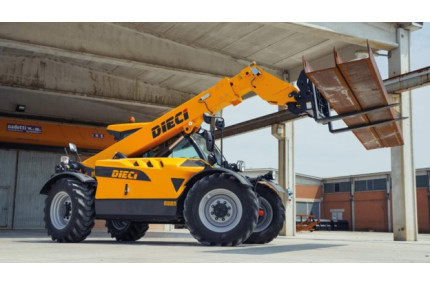 Why a Telehandler Certification Is Required on Most Construction Sites
If you’re operating a telehandler on an Australian construction site, certification isn’t simply a recommendation, it’s often a requirement. Whether you’re working on a commercial development, civil infrastructure project, or mining site, contractors and principal builders expect every piece of lifting equipment to meet strict safety and compliance standards before it enters the workplace. Many […]
Read More -
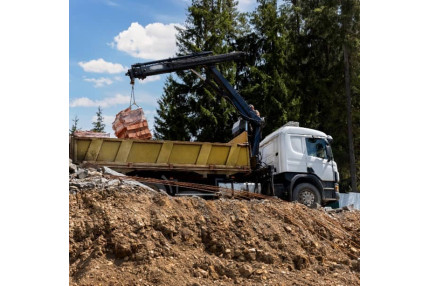 Step-by-Step Guide to the 10 Year Inspection for Vehicle Loading Cranes
Vehicle loading cranes (VLCs) are important pieces of equipment across the construction, logistics, mining and transport industries. Designed to lift and move heavy loads efficiently, these cranes handle loading and unloading tasks in demanding conditions and are subjected to constant stress, environmental exposure, and wear over time. To ensure ongoing safety and compliance, a 10 […]
Read More -
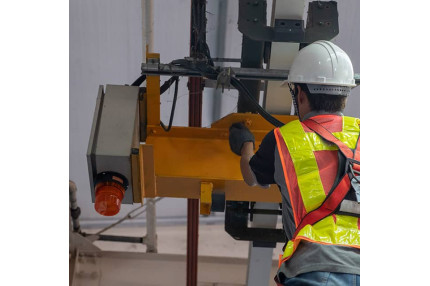 What Does a Major Crane Inspection Actually Include?
A crane is one of the most powerful and essential pieces of machinery on any construction site, but it is also one of the most heavily regulated. Cranes operate under extreme loads, constant stress, and challenging environments where even the smallest of issues can have serious consequences. So, what’s the best way to keep them […]
Read More -
 What Is a Mobile Crane Major Inspection and Why Is It Required?
In industries where lifting heavy loads is part of daily operations, safety and compliance must be adhered to. Mobile cranes are among the most important pieces of machinery on construction sites, infrastructure projects, and industrial operations. Over time, however, constant use, exposure to harsh conditions, and mechanical stress can affect their structural integrity. This is […]
Read More