

 1300 008 838
What Is an EWP Major Inspection and Do You Need It?
An EWP inspection is a structured assessment of an Elevating Work Platform’s condition and safety-critical components, carried out against the manufacturer’s requirements and relevant Australian Standards. It identifies wear, damage and defects before they affect safe operation, and creates a record of the machine’s condition.
EWPs are widely used across Australian construction, industrial, warehousing, maintenance and infrastructure projects. From scissor lifts and boom lifts to vertical mast lifts and trailer-mounted platforms, they give workers practical, safe access to elevated work areas.
Like any lifting or access equipment, they need regular inspection and maintenance to stay safe and fit for purpose.
This guide explains what an EWP inspection involves, why it matters and how it fits into an overall equipment management program.
What Is an EWP?
An Elevating Work Platform, or EWP, is a type of powered access equipment designed to raise workers, tools and equipment to elevated work areas.
EWPs are used where workers need temporary access to heights for tasks such as installation, construction, electrical work, maintenance, inspections and repairs.
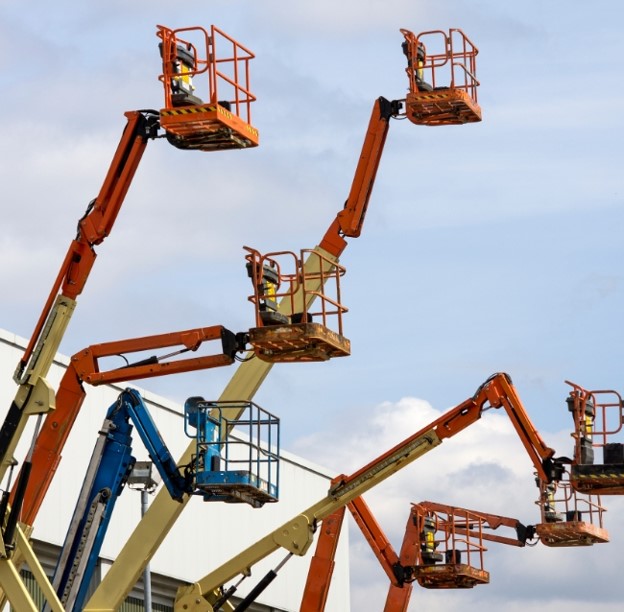
Common types of EWPs include:
- Scissor lifts
- Boom lifts
- Vertical mast lifts
- Cherry pickers
- Trailer-mounted EWPs
- Self-propelled access platforms
While these machines vary in size, design and operating method, they must undergo the appropriate inspections and maintenance throughout their working life.
The specific inspection requirements can depend on the type of EWP, its manufacturer, how it is used and the working environment.
Inspections must be carried out in accordance with the manufacturer’s requirements and Australian Standards and workplace safety requirements.
What Is an EWP Inspection?
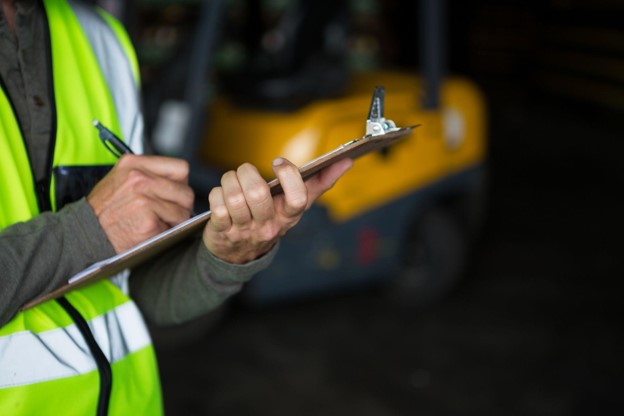
An EWP inspection involves examining the equipment to assess its condition and identify anything that could affect its safe operation.
An inspection may include visual checks, functional testing and examination of important mechanical, structural, electrical and safety components. The exact inspection process should be appropriate for the particular machine and its intended use.
Depending on the EWP, an inspector may look at areas such as:
- Structural components and welds
- Platform or basket condition
- Guardrails, gates and access points
- Hydraulic systems and hoses
- Cylinders and fittings
- Wheels, tyres and steering components
- Braking systems
- Emergency lowering systems
- Controls and operating functions
- Safety switches and interlocks
- Warning devices
- Electrical systems and batteries
- Outriggers and stabilisers
- Pins, bolts and other critical connections
- Signs of corrosion, cracking, damage or excessive wear
The inspection findings should be recorded so that defects can be tracked and appropriate action can be taken.
An inspection is not simply a visual check of whether the machine looks clean or operational. It is part of a broader process of assessing equipment condition and identifying issues that may require maintenance, repair or further investigation.
Why Is Regular EWP Inspection Important?
EWPs can be exposed to demanding working conditions. Frequent movement, uneven surfaces, outdoor environments, heavy use and exposure to dust, moisture and other contaminants can contribute to equipment wear.
Regular inspections help organisations identify developing problems and maintain a clearer understanding of the condition of their equipment.
1. Keep Workers Safe
An EWP lifts people off the ground, so a defect in the wrong component can have serious consequences. An inspection can find issues that affect safe operation, such as cracked welds, damaged hydraulics or a faulty emergency lowering system. When one is found, the machine is dealt with before it goes back to work.
A safety-critical defect means the EWP stays out of service until the issue is repaired and checked. Inspections give a business the information it needs to make that call, and a record showing it was made.
2. Identify Damage and Wear
Regular inspections can help identify damaged or worn components before they develop into more significant equipment issues.
For example, an inspection may identify a damaged hydraulic hose, worn tyre, deteriorating structural component or malfunctioning safety device. Early identification gives the business an opportunity to investigate and address the issue appropriately.
3. Support Preventive Maintenance
Inspection records can provide useful information for maintenance planning. Rather than relying solely on breakdowns or operator reports, businesses can use inspection findings to identify recurring problems and plan maintenance activities around the condition and use of their equipment.
4. Maintain Accurate Equipment Records
Good inspection records create a documented history of an EWP throughout its working life.
Records may include details such as:
- Equipment identification or asset number
- Date of inspection
- Inspection findings
- Defects identified
- Corrective actions
- Repairs completed
- Inspector details
- Relevant maintenance information
Having this information readily available can make it easier for technicians and equipment managers to understand the machine’s history.
What Does an EWP Inspection Involve?
The inspection process should be structured and appropriate for the equipment being assessed.
Review Existing Records
Before inspecting the EWP, all relevant documentation should be reviewed where available.
This may include previous inspection reports, maintenance records, defect reports, manufacturer’s information and other equipment documentation.
Previous records can highlight recurring issues or defects that require particular attention during the current inspection.
Carry Out a Visual Inspection
The EWP should be examined for visible damage, deterioration, corrosion, leaks, wear and other defects.
Structural components and critical assemblies should receive particular attention, along with safety-related equipment and components that could affect the machine’s operation.
Check Operating Functions
Depending on the inspection requirements, operational functions may need to be checked to confirm that controls, safety devices and other relevant systems operate as intended.
Any unusual noises, movements, leaks, warning indicators or abnormal operation should be investigated and recorded.
Conduct Load Testing
Where required, load testing may be carried out to assess the EWP’s ability to safely support and operate under specified loading conditions.
The test should be performed in accordance with the applicable inspection requirements, manufacturer’s instructions and relevant standards.
Any abnormal movement, structural concerns or performance issues identified during testing should be documented and investigated before the equipment is returned to service.
Carry Out NDT Crack Testing
Non-destructive testing (NDT) may be used to identify cracks or other defects in critical structural components without damaging the equipment.
Depending on the component and inspection requirements, suitable methods may include Electromagnetic Eddy current testing, magnetic particle testing or ultrasonic testing.
Particular attention may be given to areas subject to high stress, welded joints and other critical locations where cracking could compromise structural integrity.
Record Findings
Inspection findings should be documented clearly.
If a defect is identified, the report should provide enough information for the issue to be understood and followed up.
Where necessary, the equipment may need to be removed from service until the relevant issue has been assessed and rectified.
How Often Should an EWP Be Inspected?
The inspection schedule for an EWP is set by the manufacturer’s manual, the relevant Australian Standards and the conditions the machine works in. Those factors differ from machine to machine, so no single interval applies to every EWP.
Start with the manufacturer’s manual, which sets out the inspection and servicing intervals for that model. AS 2550.10 then covers inspection and maintenance for MEWPs. Finally, how the machine is used affects how often it needs attention. An EWP working daily outdoors, on uneven ground or in dusty and wet conditions wears faster than one used occasionally indoors, and it needs inspecting more often.
Inspections also happen at two levels. Operators carry out a pre-start check before using the machine, and a qualified person carries out a detailed periodic inspection as part of a planned maintenance or engineering program. One doesn’t replace the other.
If you’re unsure which schedule applies to your machine, check the manufacturer’s manual first, then speak to the manufacturer or an engineering professional.
If you are unsure what inspection or maintenance regime applies to a particular machine, speaking to the manufacturer or an engineering professional can help you with the requirements.
EWP Inspection and Australian Standards
Australian Standards provide important guidance for the inspection, maintenance and safe use of lifting and access equipment.
For mobile elevating work platforms, AS 2550.10 provides guidance relating to the safe use, inspection and maintenance of MEWPs.
The standard addresses areas including planning, selection of equipment, operator responsibilities, inspection and maintenance, safe operating practices and emergency procedures.
However, Australian Standards should be considered alongside the manufacturer’s requirements and applicable workplace health and safety obligations.
How an EWP Inspection Fits Into Broader Equipment Management
Many businesses operate more than one type of lifting or access equipment.
A construction or industrial site may have EWPs operating alongside cranes, telehandlers and other mobile equipment. Each machine has its own inspection, maintenance and operational requirements.
A business may require:
- EWP inspection for mobile elevating work platforms
- Crane inspection for relevant crane equipment
- Tower crane inspection for tower crane installations and components
- Telehandler inspection for telescopic handlers used for lifting and material handling
- Crane certification and associated documentation where required
Managing these activities as part of a coordinated equipment management system can make it easier to keep inspection records current and identify when further action is required.
The Importance of Clear Equipment Identification
Inspection records are most useful when they can be clearly connected to the equipment being inspected.
Every EWP should be readily identifiable through an appropriate asset number, serial number or other equipment identification system.
Inspection tags can provide a convenient way to display relevant information directly on the machine. Depending on the organisation’s system, an inspection tag may include:
- Equipment or asset identification
- Inspection date
- Next inspection due date
- Inspector information
- Inspection status
- Reference to relevant records
Because EWPs are often used outdoors and in demanding environments, inspection tags should be durable enough to remain readable and securely attached during normal use.
Clear identification helps technicians and equipment managers connect the physical machine with its inspection and maintenance history.
What Happens If an EWP Has a Defect?
Finding a defect during an inspection does not necessarily mean the machine requires extensive repairs. The appropriate response depends on the type, location and severity of the issue.
Minor issues may require monitoring or scheduled maintenance, while defects that could affect safe operation may require immediate attention.
Where a fault is identified, the equipment should be appropriately controlled and, where necessary, removed from service until the issue has been assessed and rectified.
Keeping clear records of defects and corrective actions also provides an important history of how equipment issues have been managed.
Why Choose Crane Engineering Services for Equipment Inspections?
Crane Engineering Services has more than 10 years of experience inspecting lifting and access equipment, from EWPs and mobile cranes to tower cranes and telehandlers.
Our inspections, structural assessments and design reviews are carried out by fully qualified engineers and competent crane technicians, in line with Australian Standards, the Crane Code of Practice and WorkSafe requirements. Our inspectors also undergo regular training to keep up with current regulations and safety standards.
We work across major equipment brands, including JLG, and every inspection finishes with a detailed report setting out our findings and any recommended maintenance or repairs. Our team is available to talk you through it afterwards. Based in Dandenong South, Victoria, we’re here to help business owners keep their inspection records current.
Whether you require an EWP inspection, crane inspection, tower crane inspection or telehandler inspection, our engineers assess your equipment systematically and document every finding in a detailed report .
Keep Your EWP Inspection Records Up to Date
An effective inspection program is about more than completing a checklist. It is about creating a consistent process for identifying equipment issues, recording findings and following up on defects.
Regular EWP inspections can help business owners:
- Identify wear, damage and developing defects
- Support planned maintenance
- Maintain accurate equipment records
- Track recurring issues
- Improve equipment identification
- Support informed maintenance decisions
- Maintain documentation throughout the equipment’s working life
Regular maintenance, engineering inspections and relevant certification inspections all form an important part of responsible equipment management.
Book in Your EWP Inspection Today
EWPs play an important role in Australia’s construction, maintenance, industrial and infrastructure sectors.
As these machines are used to lift people and equipment to elevated work areas, regular maintenance and routine inspections keep them in working condition.
A structured EWP inspection process provides a practical way to identify defects, document equipment condition and support ongoing maintenance.
At Crane Engineering Services, we understand the importance of reliable inspection processes and clear equipment records. If you need an EWP inspection, get in touch with Crane Engineering Services today on 1300 008 838 or fill out an online application form.
Recent Blogs
-
 What Does a Mobile Crane 10-Year Inspection Actually Include?
A mobile crane is a complex piece of machinery, and regular inspections are essential to keeping it safe, reliable and compliant. While routine inspections and servicing help to identify everyday wear and faults, a 10 year crane inspection is a much more detailed assessment. It is also officially a requirement in the Australian Standard for […]
Read More -
 Why a Telehandler Certification Is Required on Most Construction Sites
If you’re operating a telehandler on an Australian construction site, certification isn’t simply a recommendation, it’s often a requirement. Whether you’re working on a commercial development, civil infrastructure project, or mining site, contractors and principal builders expect every piece of lifting equipment to meet strict safety and compliance standards before it enters the workplace. Many […]
Read More -
 Step-by-Step Guide to the 10 Year Inspection for Vehicle Loading Cranes
Vehicle loading cranes (VLCs) are important pieces of equipment across the construction, logistics, mining and transport industries. Designed to lift and move heavy loads efficiently, these cranes handle loading and unloading tasks in demanding conditions and are subjected to constant stress, environmental exposure, and wear over time. To ensure ongoing safety and compliance, a 10 […]
Read More -
 What Does a Major Crane Inspection Actually Include?
A crane is one of the most powerful and essential pieces of machinery on any construction site, but it is also one of the most heavily regulated. Cranes operate under extreme loads, constant stress, and challenging environments where even the smallest of issues can have serious consequences. So, what’s the best way to keep them […]
Read More