
 1300 008 838
What Is a Mobile Crane Major Inspection and Why Is It Required?
In industries where lifting heavy loads is part of daily operations, safety and compliance must be adhered to. Mobile cranes are among the most important pieces of machinery on construction sites, infrastructure projects, and industrial operations. Over time, however, constant use, exposure to harsh conditions, and mechanical stress can affect their structural integrity.
This is where a mobile crane major inspection becomes essential. In Australia, a detailed inspection is required at regular intervals. Most notably at the 10-year mark. This is to ensure cranes remain safe, compliant, and fit for continued operation.
At Crane Engineering Services, these inspections are essential to maintaining crane safety standards and ensuring operators meet regulatory requirements.
In this article, we’ll break down what a mobile crane major inspection involves, why it is required, and what operators and owners need to know about long-term compliance.
What Is a Mobile Crane Major Inspection?
A mobile crane major inspection is a comprehensive assessment of a crane’s structural and mechanical condition. Unlike routine servicing or annual inspections, a major inspection is a lot more detailed and invasive.
Crane maintenance follows a tiered approach under Australian Standards, particularly the AS 2550 series (Safe Use of Cranes, Hoists and Winches) and AS 1418 (Cranes, Hoists and Winches .
Inspectors conduct an in-depth evaluation of a crane to determine whether is still safe to operate after years of use. This is most prevalent when a crane approaches or exceeds its design life expectations.
A typical inspection includes:
- Structural integrity testing of the crane boom and chassis
- Non-destructive testing (NDT) of critical welds and components
- Inspection of hydraulic systems and load-bearing parts
- Examination of pins, bearings, and slewing systems
- Assessment of fatigue, corrosion, and wear
- Verification of safety systems and controls
This in-depth inspection ensures that any hidden defects or long-term fatigue issues are identified before they become safety hazards.
Why Is a Mobile Crane Major Inspection Required?
Mobile cranes operate in extreme conditions. Every lift places strain on structural components, and over time, this cumulative stress can lead to fatigue.
The mobile crane 10 year major inspection is required to ensure that equipment continues to meet safety and engineering standards after prolonged use.
There are several key reasons why this inspection is mandatory or strongly recommended in Australia:
1. Structural Fatigue Over Time
Even well-maintained cranes experience gradual wear. Metal fatigue develops over thousands of lifting cycles, especially in high-stress areas such as boom sections and weld joints. A major inspection helps identify early signs of fatigue before failure occurs.
2. Compliance With Australian Standards
Regulatory frameworks require that cranes undergo periodic in-depth assessments to remain compliant. Under WHS Regulations, the person with management or control of a registered mobile crane must ensure a major inspection occurs:
A mobile crane 10 year inspection is an important milestone in maintaining certification and operational approval. Inspections are required at the end of the design life recommended by the manufacturer, or
- Every 10 years from first commissioning or registration (whichever came first). If no design life is specified or it’s not practicable to follow manufacturer guidance.
This applies particularly to mechanical components (often 10 years) and structural elements (sometimes up to 25 years, depending on design and usage). Failure to comply can result in serious fines, orders preventing the crane from being operated, or insurance becoming invalid.
3. Safety of Operators and Worksites
Crane failures can have serious consequences, including injury, equipment damage, or site shutdowns. Major inspections significantly reduce these risks by ensuring all components are structurally sound and functioning correctly.
4. Extending Equipment Lifespan
A properly maintained crane can continue operating safely beyond its initial design life. A detailed inspection allows engineers to properly assess whether continued use is viable and under what conditions.
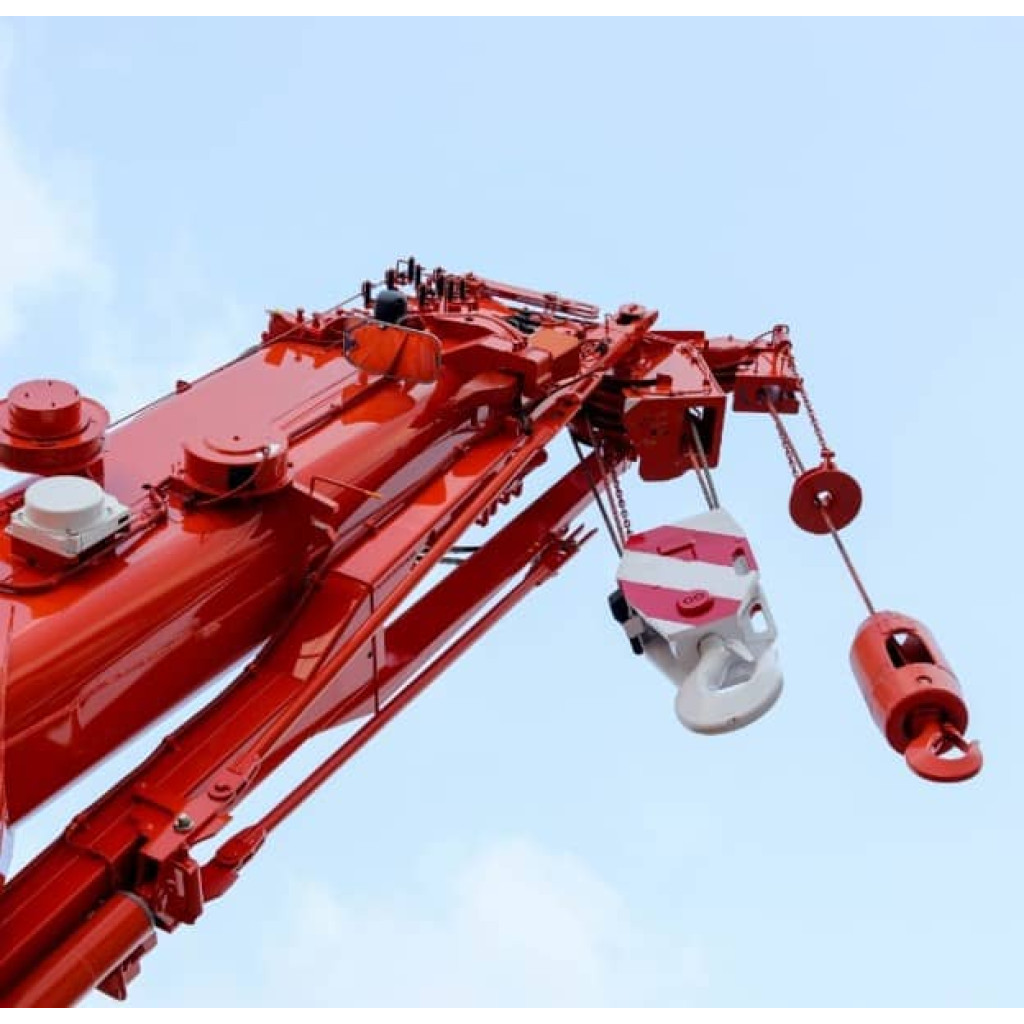
What Happens During a Mobile Crane 10 Year Inspection?
A mobile crane 10 year major inspection is far more detailed than routine servicing. It is carried out by qualified engineers and involves both visual and technical assessments. It aligns with manufacturer recommendations, AS 2550.5 (for mobile cranes), and Work Health and Safety (WHS) regulations.
Structural Assessment
The crane’s main structural components are carefully examined for:
- Cracks
- Corrosion
- Deformation
- Weld integrity
High-stress areas are given special attention, as these are most likely to develop fatigue over time.
Non-Destructive Testing (NDT)
Techniques such as Electromagnetic Eddy current testing, ultrasonic testing, magnetic particle inspection, and dye penetrant testing are used to detect internal or surface-level defects that are not visible to the naked eye.
Mechanical System Evaluation
Hydraulic systems, winches, telescoping and slewing mechanisms, and load-bearing components are inspected for wear, leaks, and performance issues.
Load Testing and Function Checks
Cranes undergo operational testing to confirm they perform safely under various load conditions, including static and dynamic overload conditions
Documentation Review
Maintenance records, and previous inspection reports are reviewed to build a complete picture of the crane’s operational life.
At Crane Engineering Services, these inspections are conducted with strict attention to Australian safety standards and engineering best practice.
Understanding the 10 Year Crane Certification
A key outcome of the inspection process is often 10 year crane certification, which confirms that the crane has passed its major inspection and is deemed safe for continued use.
This certification is important for:
- Workplace safety compliance
- Insurance requirements
- Regulatory approval
- Asset management and valuation
Without valid certification, a crane may be banned from operation until necessary repairs or upgrades are completed.
What Happens If Issues Are Found?
It is common for a mobile crane 10 year inspection to identify areas requiring attention. This does not necessarily mean the crane must be retired.
Depending on findings, outcomes may include:
- Minor repairs and re-certification
- Replacement of worn components
- Structural reinforcement
- Operational restrictions
- Decommissioning in severe cases
At Crane Engineering Services, our engineers provide clear reporting and recommendations to help operators make informed decisions about repairs and continued use.
Why the 10-Year Mark Is So Important
The mobile crane 10 year inspection is widely recognised as an important service because it represents a point where cumulative wear becomes more significant.
By this stage:
- The crane has undergone thousands of load cycles
- Environmental exposure has taken effect
- Components may be approaching fatigue limits
- Original manufacturer assumptions may no longer fully apply
This is why a detailed engineering assessment is essential to confirm continued safe operation.
The Role of Professional Inspection Providers
Specialist engineering companies play a crucial role in maintaining crane safety and compliance. At Crane Engineering Services, inspections are carried out by qualified professionals who understand both regulatory requirements and real-world operating conditions.
Their role includes:
- Conducting detailed structural assessments
- Ensuring compliance with Australian standards
- Identifying risks before failure occurs
- Supporting operators with clear reporting
- Helping extend equipment lifespan safely
Professional oversight ensures that inspections are not just a formality, but a meaningful safety measure.
Benefits of Regular Major Inspections
While the 10-year inspection is a key requirement, ongoing maintenance and earlier inspections also play an important role.
Key benefits of regular inspections include:
- Improved workplace safety
- Reduced risk of unexpected downtime
- Better asset management
- Longer equipment lifespan
- Compliance with legal and insurance requirements
Regular inspections help ensure cranes remain safe, efficient, and productive throughout their operational life.
Preparing for Your Mobile Crane 10 Year Inspection
Proper preparation can make the mobile crane 10 year major inspection process smoother, more efficient, and less disruptive to operations. Taking the time to get organised ahead of the inspection helps ensure everything is assessed accurately and any required work can be completed without unnecessary delays.
To help make the process run as smooth as possible:
- Gather records: Latest annual inspection reports, load test certificates, NDT reports, maintenance logs with parts replacements records.
- Clean the crane for better access and inspection.
- Plan for downtime: Major inspections can take days or weeks depending on crane size and condition.
- Budget for potential repairs identified during the process.
Working with experienced specialists such as Crane Engineering Services ensures the inspection process is well-coordinated, efficient, and compliant with all required standards.
The Crane Engineering Services Advantage
Choosing the right provider for your mobile crane 10 year major inspection can make all the difference. Here at Crane Engineering Services we have a reputation for:
- Certified expertise: Our engineers and technicians are fully qualified and experienced with diverse crane types, including all-terrain, rough terrain, truck-mounted, crawler, pick-and-carry and more.
- Comprehensive, competitive service: From NDT and load testing to full reporting and certification.
- Australia-wide reach: On-site inspections with minimal disruption.
- End-to-end support: We also handle annual inspections, design verifications and plant registration.
- Focus on safety and compliance: We prioritise keeping your team safe and your operations legal.
At Crane Engineering Services, we provide full documentation, detailed reports with photos and measurements, recommendations for repairs or replacements, and certification upon successful completion. We work Australia-wide, minimising downtime while maximising thoroughness.
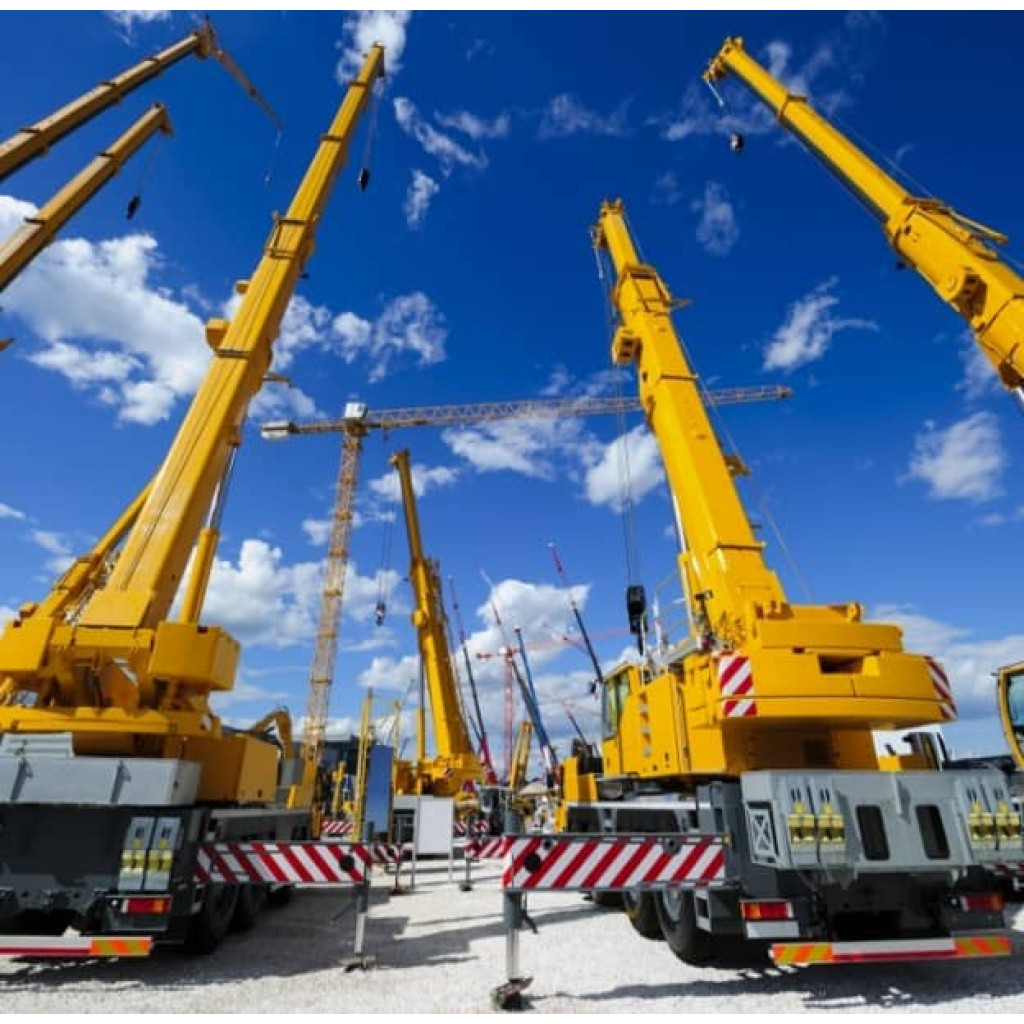
Ensure Safety and Compliance with Crane Engineering Services
A mobile crane major inspection is not just a regulatory requirement – it is a critical safety process that protects people, equipment, and worksites.
Don’t wait until a failure or audit forces action. At Crane Engineering Services, we make the mobile crane 10 year major inspection process professional, efficient, and value-driven.
Ready to schedule your mobile crane 10 year inspection? Call us today on 1300 008 838 or visit craneengineeringservices.com.au to discuss your needs. Our expert team is here to keep your cranes operating safely and compliantly for years to come.
Recent Blogs
-
 What Does a Mobile Crane 10-Year Inspection Actually Include?
A mobile crane is a complex piece of machinery, and regular inspections are essential to keeping it safe, reliable and compliant. While routine inspections and servicing help to identify everyday wear and faults, a 10 year crane inspection is a much more detailed assessment. It is also officially a requirement in the Australian Standard for […]
Read More -
 Why a Telehandler Certification Is Required on Most Construction Sites
If you’re operating a telehandler on an Australian construction site, certification isn’t simply a recommendation, it’s often a requirement. Whether you’re working on a commercial development, civil infrastructure project, or mining site, contractors and principal builders expect every piece of lifting equipment to meet strict safety and compliance standards before it enters the workplace. Many […]
Read More -
 Step-by-Step Guide to the 10 Year Inspection for Vehicle Loading Cranes
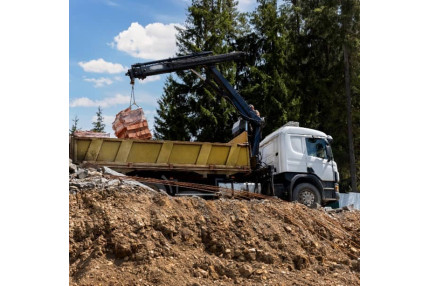
Vehicle loading cranes (VLCs) are important pieces of equipment across the construction, logistics, mining and transport industries. Designed to lift and move heavy loads efficiently, these cranes handle loading and unloading tasks in demanding conditions and are subjected to constant stress, environmental exposure, and wear over time. To ensure ongoing safety and compliance, a 10 […]
Read More -
 What Does a Major Crane Inspection Actually Include?
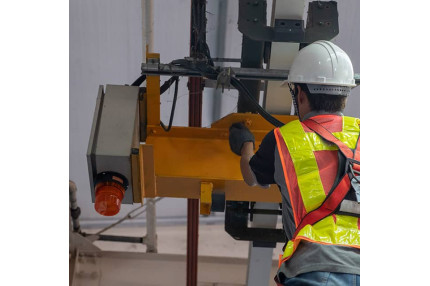
A crane is one of the most powerful and essential pieces of machinery on any construction site, but it is also one of the most heavily regulated. Cranes operate under extreme loads, constant stress, and challenging environments where even the smallest of issues can have serious consequences. So, what’s the best way to keep them […]
Read More