
 1300 008 838
Step-by-Step Guide to the 10 Year Inspection for Vehicle Loading Cranes
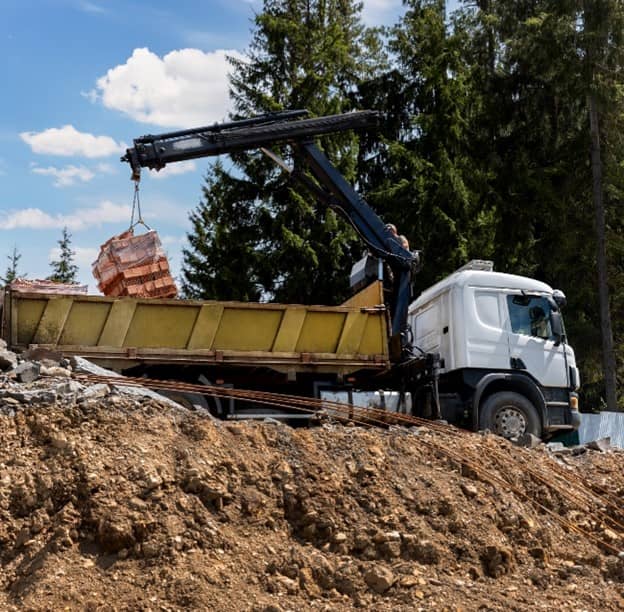
Vehicle loading cranes (VLCs) are important pieces of equipment across the construction, logistics, mining and transport industries. Designed to lift and move heavy loads efficiently, these cranes handle loading and unloading tasks in demanding conditions and are subjected to constant stress, environmental exposure, and wear over time.
To ensure ongoing safety and compliance, a 10 year major inspection is not just recommended, it is essential.
In this guide, we’ll discuss what a major crane inspection involves, why it matters, and how to approach the process properly.
What Is a 10 Year Major Inspection?
The 10 year major inspection is a thorough structural, mechanical, hydraulic, and electrical examination required when a vehicle loading crane reaches the end of its initial design working period. It is mandated under AS 1418.11 (Cranes, Hoists and Winches – Vehicle-loading Cranes) and AS 2550.11 (Safe Use of Vehicle-loading Cranes).
The first major inspection for a front loading crane is typically due at 10 years from the date of manufacture or commissioning. After that, all major crane inspections are then required at intervals of no more than five years. This is different from annual inspections, which focus mainly on visible wear and basic operational checks.
The 10 year major inspection involves deeper analysis, including non-destructive testing (NDT), proof load testing, and a comparison of the crane’s design against the current edition of AS 1418.11. It may also recommend practical upgrades to improve safety and performance.
Why a Major Crane Inspection Is Important
Over time, even well-maintained cranes experience wear that isn’t always visible during routine inspections. A major crane inspection helps to:
- Ensure compliance with safety regulations and industry standards
- Detect structural weaknesses or fatigue cracks
- Prevent unexpected breakdowns or failures
- Extend the lifespan of the crane
- Protect operators and surrounding personnel
The 10 year major inspection detects hidden issues such as fatigue cracks, internal corrosion, or material degradation that routine checks might miss.
Beyond compliance, the inspection supports due diligence, maintains insurance validity, and demonstrates responsible management to clients, auditors, and regulators like WorkSafe.
Many Australian operators also use the major crane inspection as an opportunity to retrofit updated safety features, improving efficiency and reducing long-term costs. Failing to carry out a 10 year major inspection can lead to serious safety risks, costly repairs, and potential legal issues.
Preparing for Your 10 Year Major Inspection
Preparation is key to a major crane inspection. Before any physical work begins, gather all relevant documentation, including:
- Maintenance and service records
- Previous inspection reports
- Manufacturer guidelines
- Load test certificates
This information provides valuable insight into the crane’s condition and highlights any recurring issues. It also ensures the major crane inspection aligns with manufacturer recommendations.
Clean the crane thoroughly by removing grease, dirt, paint, and corrosion from critical areas such as the boom, jib, slew ring, hydraulic cylinders, outriggers, and chassis mounts. This allows inspectors to identify possible hairline cracks or pitting that would otherwise be invisible to the naked eye.
Consider a pre-inspection maintenance service to fix obvious leaks or damaged components as this can reduce the scope of remedial work during the 10 year major inspection.
Step-by-Step Guide to the Inspection Process
A 10 year major inspection typically follows five structured stages, though the exact scope may vary slightly depending on the crane model and its usage history.
Here at Crane Engineering Services, our experienced, certified and competent inspectors will arrive on-site, ready to thoroughly assess your crane and its components.
No matter where the inspection is, we always adhere to strict safety standards and industry regulations, guaranteeing a comprehensive and accurate inspection.
Step 1: Pre-Inspection Preparation and Documentation Review
The process begins with a detailed review of all records. Our inspectors compare the crane’s original design against the latest edition of AS 1418.11 and conduct a risk assessment to identify any necessary upgrades.
The crane is de-energised, locked out, and tagged. Scaffolding, lighting, and fall-protection systems are installed for safe access. This stage ensures nothing is overlooked and sets clear expectations for the remainder of the major crane inspection.
Step 2: Visual and Structural Assessment
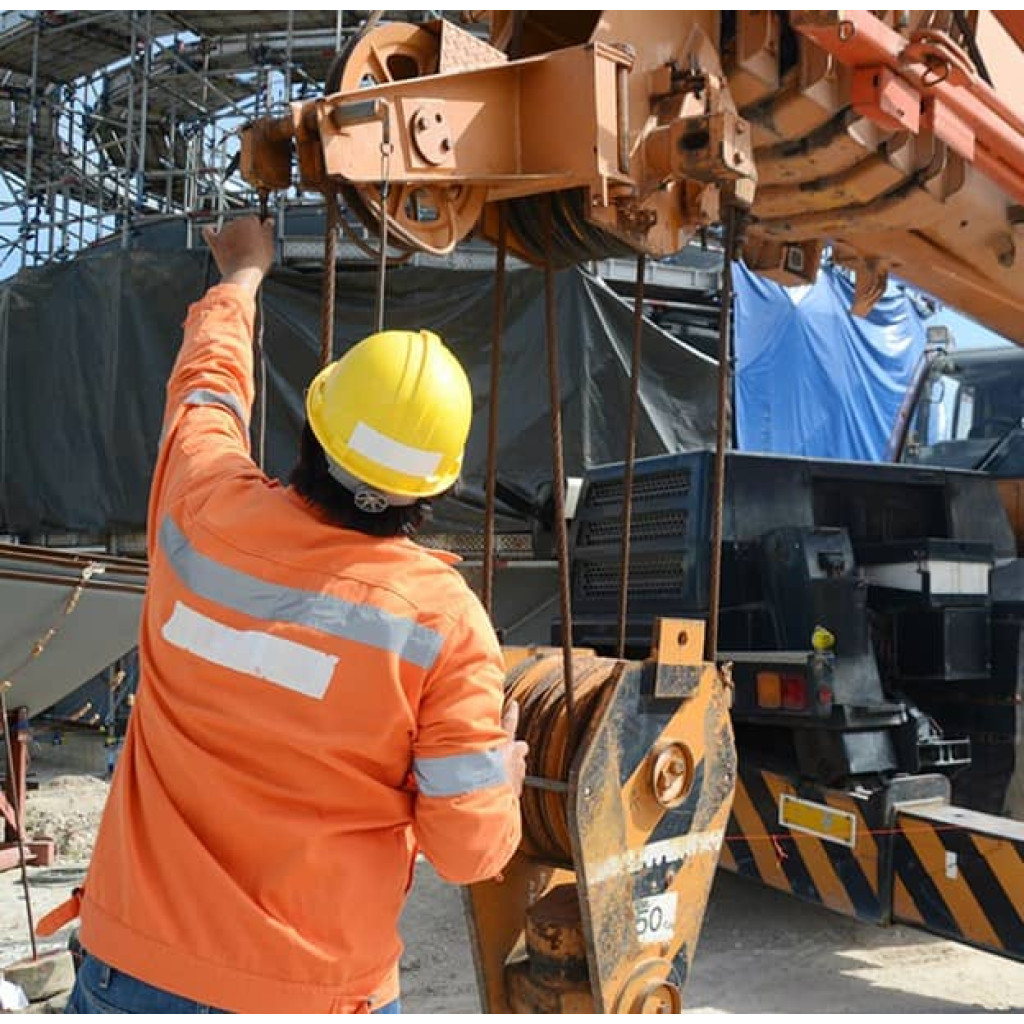
With the crane cleaned and accessible, inspectors perform a close visual examination of load-bearing components, including:
- Boom
- Jib
- Mounting frame
- Subframe
- Outriggers
- Slew ring
- Hook
- All welds
Our team checks for cracks, deformation, corrosion, fatigue, and signs of impact damage. Paint and protective coatings may be removed from critical zones to expose bare metal.
For many VLCs, the boom may need partial or full removal from the truck chassis to allow thorough inspection of pins, bushes, and internal structures.
Step 3: Non-Destructive Testing (NDT)
To detect hidden defects, inspectors will perform a range of non-destructive testing (NDT) methods during a crane inspection. These techniques allow components to be assessed without causing any damage, making them ideal for identifying issues that aren’t visible during a standard visual check.
These methods are particularly important during a 10 year major inspection, as they can uncover cracks, fatigue, or structural weaknesses that would otherwise go unnoticed. Identifying these issues early is essential for maintaining the safety, reliability, and longevity of the crane.
Step 4: Hydraulic, Mechanical, and Electrical System Inspection
Hydraulic cylinders, hoses, pumps, valves, and seals are pressure-tested for leaks, wear, and contamination. Mechanical components, including gearboxes, brakes, clutches, sheaves, drums, wire ropes, and hooks are stripped, measured, and assessed for wear, alignment, and lubrication condition.
Electrical systems, control panels, limit switches, RCL computers, and emergency stops are calibrated and functionally tested. Breather filters on hydraulic reservoirs are examined for contamination patterns that may indicate broader system issues.
These detailed checks ensure the crane is fully assessed across all mechanical, hydraulic, and electrical systems during a major crane inspection.
Step 5: Functional Testing, Proof Load Testing, and Reassembly
Once repairs or replacements are completed, the crane is reassembled with proper torque settings and alignment checks. A full functional test exercises every movement through its complete range.
Proof-load testing follows, using calibrated test weights at various radii and boom angles to verify rated capacity, stability, and the correct operation of all safety devices. Final calibration of load-moment indicators and safety cut-outs ensures the crane performs exactly as designed.
Throughout the process, a professional engineer oversees the work and signs off on the inspection.
How Long Does a 10 Year Major Inspection Take?
The duration of a major crane inspection depends on several factors, including the size, type, and overall condition of the crane, as well as the extent of any repairs required. In most cases, a full 10 year major inspection can take anywhere from several days to a few weeks to complete.
Smaller or well-maintained units may be inspected and returned to service more quickly, while larger cranes or those showing significant wear may require extended downtime for disassembly, testing, and component replacement.
Availability of parts and the need for specialised testing can also influence the timeframe. Allowing sufficient time for a thorough inspection ensures that all issues are properly identified and addressed.
Choosing a Qualified Inspector
A 10 year major inspection should always be carried out by qualified and experienced professionals. Look for inspectors who:
- Are certified and trained in crane inspections
- Follow recognised industry standards
- Have experience with your specific crane model
At Crane Engineering Services, we take pride in delivering independent evaluations, competitive pricing, and certified, knowledgeable inspectors. Our team is committed to ensuring your cranes are in excellent condition, allowing you to concentrate on completing tasks without any concerns.
Why Trust Crane Engineering Services?
Crane operators choose Crane Engineering Services for several reasons:
- Certified and Experienced Inspectors
Our team comprises fully qualified engineers and competent crane technicians, guaranteeing top-notch inspection services.
- Competitive Pricing
We take pride in offering cost-effective services without compromising on quality.
- Australia-wide
We are able to work remotely and also have crane technicians Australia wide that are ready to provide our expertise.
- Comprehensive Service Offerings
Our wide array of inspection and certification services cater to various crane types and inspection needs.
- Safety Commitment
At Crane Engineering Services, we place the safety of crane operators at the forefront, ensuring your equipment is thoroughly inspected and compliant with industry standards.
Our staff have a strong knowledge of all major crane brands and manufacturers, which allows us to quickly identify any safety concerns. Once the crane passes the inspection, we provide all necessary documentation and certifications to ensure your crane is fit for future operation.
Book Your 10 Year Inspection Today
A 10 year major inspection is one of the most important steps in maintaining the safety, reliability, and longevity of a vehicle loading crane. While it requires time and investment, the benefits far outweigh the costs.
At Crane Engineering Services, our aim is to assist vehicle loading crane owners and operators in obtaining certification for their cranes’ ongoing safe operation in the most cost-effective and efficient manner.
Our knowledge in cranes and our up-to-date understanding of crane standards and technology gives you peace of mind. To experience the difference, call us on 1300 008 838 to arrange your vehicle loading crane inspection today.
Recent Blogs
-
 What Does a Mobile Crane 10-Year Inspection Actually Include?
A mobile crane is a complex piece of machinery, and regular inspections are essential to keeping it safe, reliable and compliant. While routine inspections and servicing help to identify everyday wear and faults, a 10 year crane inspection is a much more detailed assessment. It is also officially a requirement in the Australian Standard for […]
Read More -
 Why a Telehandler Certification Is Required on Most Construction Sites
If you’re operating a telehandler on an Australian construction site, certification isn’t simply a recommendation, it’s often a requirement. Whether you’re working on a commercial development, civil infrastructure project, or mining site, contractors and principal builders expect every piece of lifting equipment to meet strict safety and compliance standards before it enters the workplace. Many […]
Read More -
 What Does a Major Crane Inspection Actually Include?
A crane is one of the most powerful and essential pieces of machinery on any construction site, but it is also one of the most heavily regulated. Cranes operate under extreme loads, constant stress, and challenging environments where even the smallest of issues can have serious consequences. So, what’s the best way to keep them […]
Read More -
 What Is a Mobile Crane Major Inspection and Why Is It Required?
In industries where lifting heavy loads is part of daily operations, safety and compliance must be adhered to. Mobile cranes are among the most important pieces of machinery on construction sites, infrastructure projects, and industrial operations. Over time, however, constant use, exposure to harsh conditions, and mechanical stress can affect their structural integrity. This is […]
Read More